Menu

Patient Information: Periodontitis (Gum Disease)

What is Gum Disease?

Gum disease (also called periodontal disease) is an infection of the tissues supporting the teeth, caused by bacteria in dental plaque buildup.


How Does Gum Disease Develop?

If plaque is not removed properly by brushing and cleaning between your teeth:

  1. Plaque builds up at the gum line.
  2. Gums become inflamed (Gingivitis).
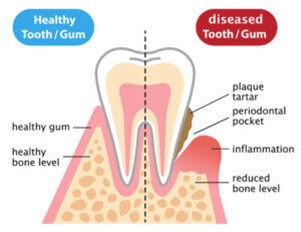
  3. Gums start to pull away from teeth, forming pockets (Periodontal Pocket).
  4. Bacteria spread below the gum line.
  5. Bone and supporting structures are gradually destroyed (Periodontitis).
  6. Teeth may become loose and eventually be lost.

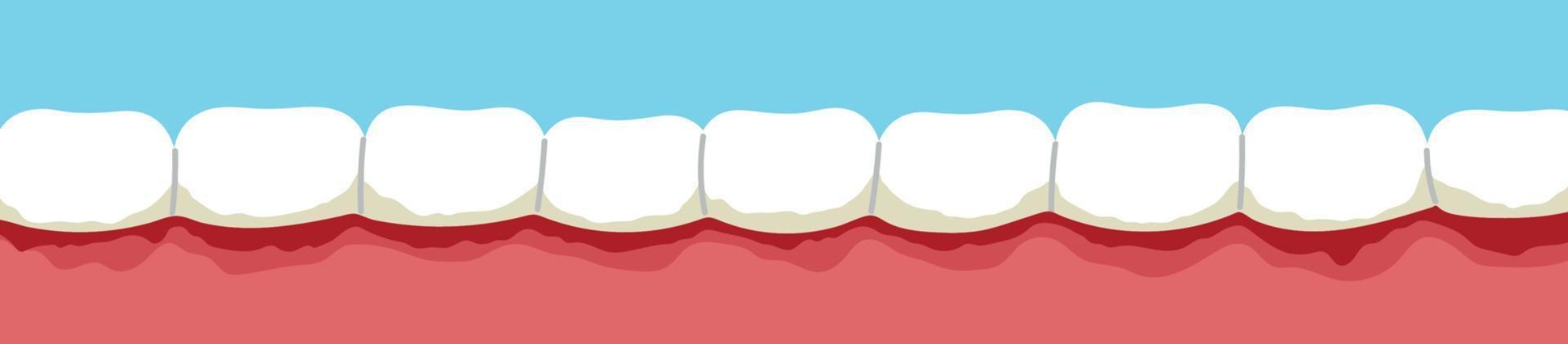
Pi Gd Img1


What is Gingivitis?

Gingivitis is the early stage of gum disease.

Signs include:

  • Red or dark red gums
  • Swelling
  • Bleeding when brushing or flossing

Gingivitis is reversible with good oral hygiene.

However, if untreated, it may progress to periodontitis.

What is Periodontitis?

Pi Gd Img2Periodontitis is a destructive form of gum disease that causes irreversible damage to the bone and tissues supporting your teeth.

Although often slow progressing, it can accelerate rapidly and may, in rare cases, be aggressive.

What happens:

  • Gum pockets form around teeth
  • Bacteria collect deep under the gums
  • Bone and support are lost
  • Teeth may become loose or fall out

Periodontitis is often painless in the early stages, making it difficult to detect without professional assessment.

Periodontitis can be treated and stabilised—but success depends heavily on your daily commitment to oral hygiene. The most effective way to manage this condition is by maintaining a clean, plaque-free mouth.

Any treatment provided in the clinic must be supported by thorough home care.

We are here to support Patients through Periodontal Diseases, but the responsibility for day-to-day care lies with the Patient. Consistent home care greatly improves the chances of stabilising the disease.

Please note “If periodontitis is to be beaten, it is beaten in the bathroom—not in the dental surgery.”

If treatment is unsuccessful, the disease may progress, leading to pain, infection, or tooth loss. In such cases, specialist referral may be necessary. Specialist care may offer a higher success rate but may also involve additional costs.

Links for more information:

periodontal-health.com

efp.org


What Causes Periodontitis?

Main cause:

  • Bacterial plaque (biofilm) on teeth

Other important risk factors:

  •  Smoking
  • Poorly controlled diabetes
  • Unhealthy diet
  • Genetic factors (your body’s response to bacteria)

Smoking / Diabetes and Gum Disease

Smoking:

  • Reduces your body’s ability to fight infection
  • Causes more bone loss
  • Slows healing after treatment
  • Increases risk of tooth loss

Diabetes:

  • Poorly controlled diabetes increases risk of gum disease
  • Gum disease can make diabetes harder to control

Signs and Symptoms of Periodontitis

You may notice:

  • Bleeding gums
  • Red or swollen gums
  • Bad breath
  • Receding gums (teeth look longer)
  • Spaces appearing between teeth
  • Loose or shifting teeth
  • Discomfort when chewing

Pi Gd Img3


Effects on Your Health

Periodontitis doesn’t just affect your mouth.

It may be linked to:

  • Heart disease and stroke
  • Diabetes complications

This happens because bacteria from the mouth can enter the bloodstream, thus causing inflammation elsewhere in the body.


Treatment of Periodontitis

Your Role:

It is your responsible for daily, consistent removal of soft plaque to help reduce inflammation as well as to stop it from returning.

  • Brush effectively twice daily
  • Clean between teeth (e.g., interdental brushes)
  • Target the Gum Line
  • Stop Smoking (If applicable)
  • Improve Diet
  • Attend Your appointment with the Dental Team.

Useful Link to Cleaning advise:

oralhygiene-instruction.com

Oral Hygiene Advice

Our Role:

  • Oral-hygiene instruction and advice
  • Professional cleaning

Professional Cleaning

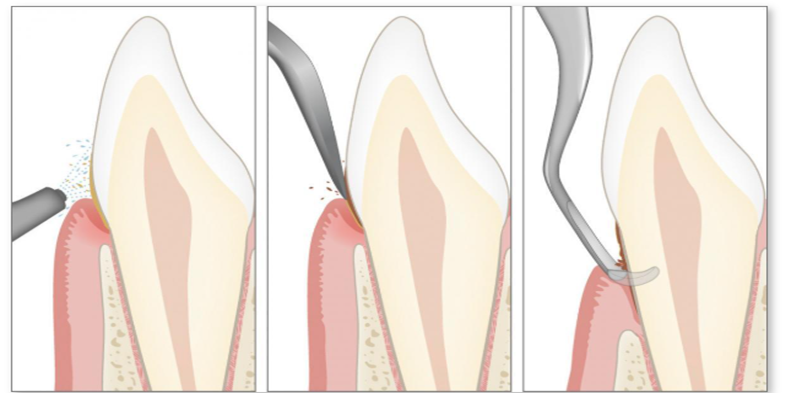
Professional Cleaning (Periodontal Treatment) involves thoroughly cleaning the teeth and roots to remove plaque, calculus (tartar), toxins, and diseased tissue from accessible areas of the teeth.

If necessary, the dental professional will also remove bacterial deposits and tartar from the root surfaces and gum pockets.

This helps prevent further damage to the bone and gums.

For patients with advanced periodontitis, several appointments for teeth cleaning may be necessary.
Pi Gd Img4.jpg


After Treatment: Long-Term Care

To keep your gums healthy:

  • Maintain excellent daily oral hygiene
  • Attend regular dental/hygienist visits
  • Stop smoking (if applicable)
  • Maintain a healthy diet

The Next Steps

  1. You have been diagnosed with Gum Disease by your Dentist.
  2. Providing you want treatment the dentist will assess your commitment to your Oral Hygiene by assessing the level of plaque present within your mouth.
  3. If you have 30% or more plaque on your teeth the dentist will send you for a review appointment with a Hygienist or Therapist in 3 months’ time. (Fee of £25). If after 3 Months your Plaque levels remain above 30% then you will be sent for another review appointment in 3 months’ time with the Hygienist or Therapist. (Another fee of £25)
  4. When your Plaque levels are below 30% you Will be sent to the Hygienist or Therapist for Periodontal Treatment. (Fee of £48.53)
  5. Once Periodontal Treatment is complete your Hygienist or Therapist will review in 3 months’ time and provide any addition Periodontal Treatment as required. (Fee of £73.53).
  6. Once this additional Periodontal Treatment has been completed you will have the option to try to maintain your Oral hygiene until your next Dental examination with your dentist or receive further treatment for your Periodontal disease*

*It is important to note that the NHS will ONLY support 2 Periodontal Treatment’s within a Year. This means after your second round of Periodontal treatment with the dental Hygienist/ Therapist, any further rounds of Periodontal treatment can be provided Privately.

Your Dental team will discuss these Fee’s with yourself if both you wish to proceed with this treatment option as well as if it is still the appropriate treatment option for yourself.


Benefits of Treatment

With successful treatment, you may notice:

  • Less bleeding and soreness
  • Firmer teeth
  • Improved comfort when eating
  • Fresher breath
  • Keeping your teeth for longer

Possible Side Effects of Treatment

Some temporary effects include:

  • Tooth sensitivity (especially to cold)
  • Gums shrinking slightly
  • Spaces appearing between teeth


01792 476 714
Contact Us Online
Book An Appointment
65 Walter Road, Swansea, SA1 4PT